
Health and Wealth: A Guide to Comprehensive Planning
Putting health at the heart of your wealth management experience.
Steps To Take for a Healthy and Wealthy Life
While impossible to predict with certainty, working with your Financial Advisor to estimate your health and preventive care expenses is step one to finding the intersection of health and wealth. Naturally, step two is to make a plan for how to pay for those expenses – whether that’s gym memberships, nutrition counseling or prescription expenses. The sooner you start considering how you’ll manage these expenses, the more prepared you’ll be to handle whatever comes your way.

Build a Financial Safety Net
For many, typical healthcare touchpoints consist of doctors’ visits to treat minor ailments like a lingering cold or seasonal allergies. Sometimes, though, unexpected events like a broken bone or serious diagnosis can leave you with a hefty medical bill. A financial safety net can give you confidence that these unexpected expenses won’t derail the rest of your wealth plan. Between emergency funds, insurance, dedicated savings vehicles and more, you can create a wealth plan that keeps your health at the center.

Plan for Out-of-Pocket Costs
Every health insurance policy is different: Some will fully cover every lab test, doctor’s visit and even a trip to the ER – but others have more limited coverage, leaving you with out-of-pocket costs for larger bills.
Your monthly budget should be flexible enough to absorb a periodic copay from a doctor’s visit or a regular prescription, but for bigger expenses, you may need to dip into your savings. That’s where an emergency fund comes in. During your working years, aim to set aside six to 12 months of savings to cover the unexpected.
With your advisor, you can build a strategy that works for you, taking into account your insurance coverage, health needs and financial priorities at each stage of life.

Consider a Health Savings Account
Along with an emergency fund, you can also consider funding a Health Savings Account (HSA) to cover healthcare costs. These accounts allow you to make pre-tax contributions and make tax-free withdrawals as long as they’re used to cover qualified medical expenses.
Designed as a companion to high-deductible health plans (HDHP), they offer a way for those enrolled in HDHPs to stretch their healthcare dollars.
Helpfully, the funds in an HSA are not use-it-or-lose-it – they continue to grow, making these plans a solid retirement saving option. Once you’re 65, non-qualified withdrawals are taxed as ordinary income, just like a traditional IRA.

If you're able to cover day-to-day healthcare costs, letting your HSA contributions grow can be a smart way to prepare for future medical expenses.
Ron Johnson, CFP®, Wealth Planner

Solving the Medicare Maze
Your healthcare options change once you approach age 65 and become eligible for Medicare – a program that is not always the easiest to understand. Here's a breakdown of its three parts.
- Part A covers most of your expenses in the event you’re hospitalized. This coverage is free, but you’ll still be responsible for a deductible that changes annually.
- Part B covers regular doctor visits and preventative care – and requires you to pay a monthly premium that varies based on your earnings history.
- Part D covers prescription drug expenses and allows you to choose from several tiers of Medicare drug plans. Your income and coverage tier will impact your monthly premium.
- To help manage Medicare’s out-of-pocket costs, many people opt to use Medicare Advantage, which bundles coverage into a single plan.
We can help you find a Medicare approach that works for you and provide personalized projections to help you understand how these costs will fit into your overall plan.

Develop a Long-Term Care Strategy
Even with all the preventive care in the world, unexpected health events can still upend your life – and it’s never too early to think about what you’d do if that were to happen.
It’s estimated that more than half of Americans 65 and over will require long-term services and support, whether that's part-time in-home care of full-time care in an assisted living facility.8 And unfortunately, long-term care generally isn’t covered under private insurance or Medicare. That means you’d be responsible for a significant ongoing expense: In 2024, the average cost for in-home care was nearly $78,000 a year, and the average cost for a private nursing home room was more than $127,000 a year.9

How do you pay for those costs? While some choose to rely on their own savings, many invest in long-term care insurance – which offers a way to protect yourself from the financial risks of a long-term care event. Generally, long-term care insurance falls into three categories:
- Traditional policies provide robust coverage for cost, but are often “use-it-or-lose-it” if care is never needed.
- Life insurance with long-term care riders allows you to access part of the death benefit for care while preserving value for your beneficiaries if you don’t.
- Hybrid or linked benefit products allow you to recover some premiums or pass along a death benefit if you don’t use the long-term care benefits.
Since long-term care insurance policies are medically underwritten, your health history plays a key role in determining how much you’ll pay for coverage. The younger you are, the more favorable the cost of coverage is likely to be. Your financial advisor can help you choose the right long-term care approach.
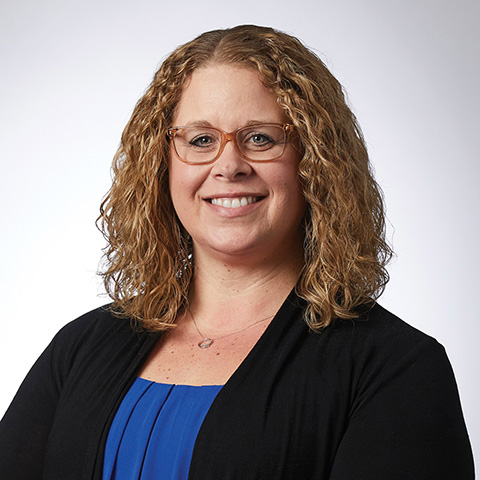
These days, new types of products such as linked benefits products are opening the door for younger people to start having these conversations.- Erica Kroll, CLTC®, CLU®, Senior Insured Solutions Consultant


Build an Estate Plan –
It’s Never Too Early
Planning for the expense of long-term care is one step at the intersection of health and wealth, but planning for the logistics of your potential death or incapacity is just as important. For example, what happens if you’re incapacitated by a health event such as a stroke? Will the people making decisions on your behalf understand your desires?
A thoughtfully crafted estate plan addresses these and other important questions. It creates a legal framework to ensure your medical and financial wishes are carried out, like how much medical intervention you want to receive if you’re incapacitated or who will inherit your wealth after you die.
Your estate planning process will naturally draw family members into the conversation. While it can be difficult to talk about these what-if scenarios, it’s an essential discussion to have. You’ll likely need them to manage your affairs in the future, and preparing them now gives them a roadmap to follow.

It's important to open those lines of communication. By having open and honest discussions, you can prepare for unexpected emergencies and prevent unnecessary confusion.- Jackie Russell, CFP®, CTFA, Trust Relationship Advisor
Within your estate plan, you’ll want to name an executor of your estate, who will ensure your assets are distributed as laid out in your will. You’ll also want to name financial and healthcare powers of attorney in the event you’re incapacitated.
Estate planning isn’t just about preparing for the end – it’s about creating clarity and protection for whatever life brings next.

Surprises can happen. You really need to have several layers when you're choosing the people that will make decisions for you.- Jessica Bell, JD, CPWA®, Senior Estate Planner

Start the Conversation With Your Advisor
There are a wide variety of solutions to assist you on your road toward integrating health and wealth. And while each can be valuable, they should be considered in the context of your broader wealth plan. That’s why an important next step may be to simply sit down and talk with your Baird Financial Advisor.
Talking about your health or your family’s health might seem like a departure from your typical conversations with your advisor. But at Baird, we believe your wealth plan should reflect your whole life – not just your asset allocation or retirement income. The more we understand about you, the more personalized your plan can be.
Here are a few ways to start a conversation with your advisor at the intersection of health and wealth:
- Talk about your parents. Have they struggled with health issues during their lifetime? How did those challenges impact both them and you?
- Who is your trusted contact? In the event something happens to you, this person can give your advisor an immediate point of contact. During the estate planning process, giving a loved one medical or financial power of attorney can help ensure your wishes will be carried out.
- How are you managing your health and fitness? Talk about your hobbies, and how those might contribute to or detract from your health and wellness.
- How do you envision your life 10, 20 or even 30 years from now? What do you want the average day to look like? How much of your long-term vision will depend on good health?
Your Baird Financial Advisor team has experience finding solutions to health-related financial issues and can help inform your own health and wealth journey. Our role is to look out for your best interest.

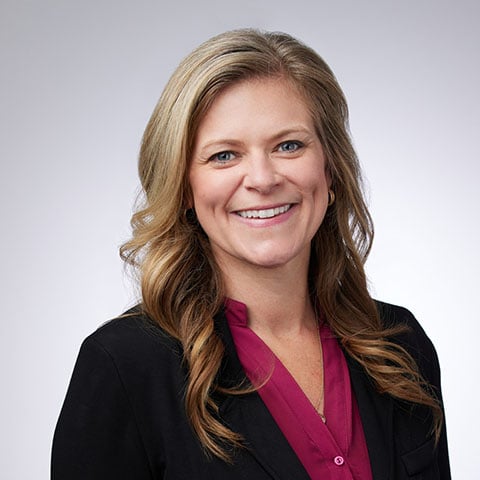
These conversations can be highly personal, so it’s important to feel safe sharing with your advisor. Emotional safety has to be at the center of these discussions.
Heather Osborn, CFP®, AAMS®, CExP™, CWA®, CLU®, Director of Wealth Planning
Remember: Integrating health and wealth isn’t just a financial exercise; it’s a lifelong strategy for security, confidence and well-being. Start the conversation today, and together we’ll build a strong foundation for the years and decades to come.
Ready to put health at the center of your plan?
We’d love to talk about building a wealth plan that supports your well-being at every stage of life.